
Love is weighed by how much you can GIVE; it is sacrificial.
愛すると云うことは与えることであり、それは多くの犠牲を伴うものである。
Do you know what it means to give? In many scenes of life, we give out of what we have.
What I would like to explore is the essence of the act of giving. It looks like giving has a strong connection with love. That is why sacrifice comes on the scene.
与える、とはどういうことか。私達は人生の中で、自分の持っている物を他の人にあげる、という場面に直面したことはあるかと思う。
今回考えてみたいのは、「与える」という行為の動機はどこにあるか、ということだ。どうも、それは「愛すること」と強い繋がりがある様なのである。与えることの意味には、「犠牲」も含まれている。
Whenever I see people who can give without grumbling, they make me respect them. One example is my parents.
ブツブツ言わずにものを与えることの出来る人を見ると、私は一瞬でその人に惹かれてしまう。私の両親がいい例である。
Let’s first have a look at my mother. She tells me how much she labored to bore me- I am her firstborn. There has been no reason for her to love me. She fed me. She was always there for me. All for no reason! This is to show that motherly love, which I consider as the closest to real love, is unconditional.
まずは私の母に着目。たまに彼女は私を生むのがどれだけ大変であったかを教えてくれる。何しろ私は彼女が一番最初に産んだ子供なのだから。
彼女に私を愛する理由など必要無かった。彼女は私が食べるということを知る前からご飯を食べさせてくれた。いつも彼女は私にかまってくれた。母親の愛と云うものは、本当の愛に物凄く近い気がする。なぜならそれは無償の愛であるのだから。
My father, on the other hand, taught me his love for me thorough discipline. When I was in Uganda six years ago, he slapped my cheek as I talked somewhat nonsense to him. “Respect your father! This is Africa”. He taught this simple lesson: a son is to honor his father. This has been one of the greatest lessons in my life to this day. If a father does not love his child, he would not discipline him or her.
一方で私の父はというと、「しつけ」ということを通じて私に愛を教えてくれた。今になってその意味が分かったのである。
ウガンダに住んでいた6年前、私が父に駄々をこねたことで、彼は私の頬を右手でひっぱ叩いた。そうして彼は私にこう言ったのだった。「父親を敬いなさい。これがアフリカであって、日本でやってきたことは通用しないぞ」と。このことは私が一生忘れることのない教えなのである。当時、13歳の私には何が起こっているのかが全く分からず、「父さん、ひどいよ…」と自分の部屋のベットに突っ伏して被害妄想に浸るしか無かった。しかし、今になってそれが私がこれまで生きてきた中で最も素晴らしい教えであることが分かった。父親がその子供を愛していなければ、しつけることなど出来ないだろう、と私は思う。
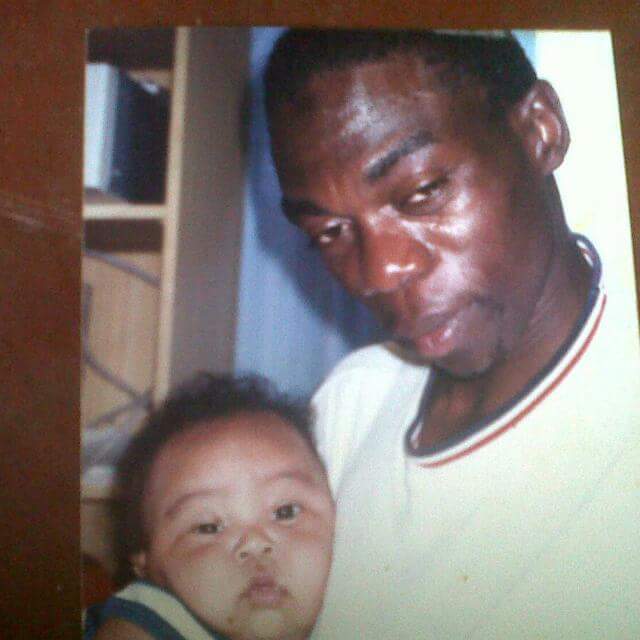
This method to train up a child is not a new idea. In the Bible it says:
この「子供をしつける」という考え方は、決して新しいものでは無い。聖書によると、
‘Train up a child in the way he should go, And when he is old he will not depart from it.‘
(Proverbs 22:6)
‘子をその行くべき道に従って教えよ、 そうすれば年老いても、それを離れることがない。‘
(箴言 22:6)
Because of the teaching of my father, I will never depart from this lesson: honoring one’s father. I will also teach my child the same thing.
父の教えのお陰で、私は子供は父親を敬うものである、ということを学ぶに至ったのだった。もし私に子供が出来たら、同じことを教えるのだろう。そんな責任も感じている。
Earlier in the first paragraph, I claimed that giving, love, and sacrifice are connected. Here I would like to explore how they are connected. If you have the Bible with you, please turn to (1Kings 3:3-5).
Before reading, I have a question for you. Do you know who King Solomon is? He was a king of Israel (allegedly c. 970-931 BCE), known as ‘wise king’. Some people call his name Sulayman. His father is King David, who is famous for defeating Goliath the giant (some people acclaim that this is the origin of so-called ‘giant-killing’).
We read here how Solomon has been bestowed such wisdom.
最初の方に「与えることと愛と犠牲とは関連している」といったことを書いたかと思うのだか、ここではそのことを深掘りしてみたい。どのように関連しているのだろうか?ここで、読書の皆さんには(もし聖書を持っていたら)列王記上3:3-5を開いて貰いたい。
読む前に、読者の皆さんにひとつ質問。ソロモンという昔の王様を知っているだろうか?彼はイスラエルの王(伝えられているところによると、在位は紀元前971年から紀元前931ねん)であり、「知恵の王」としてよく知られている。彼のことをスレイマン、と呼ぶ人もいる。彼の父は「ダビデとゴリアテ」(ジャイアントキリングの語源であると言う人もいる)でよく知られるあのダビデ王だ。
ここでは、そんなソロモン王がいかにして叡智(えいち)を得たかが書かれている。
‘And Solomon loved the Lord, walking in the statutes of his father David, except that he sacrificed and burned incense at the high places. Now the king went to Gibeon to sacrifice there, for that was the great high place: Solomon offered a thousand burnt offerings on that altar. At Gibeon the Lord appeared to Solomon in a dream by night; and God said, “Ask! What shall I give you?”’
(I Kings 3:3-5) *underline and bold text added by Noah Miura
‘ソロモンは主を愛し、父ダビデの定めに歩んだが、ただ彼は高き所で犠牲をささげ、香をたいた。 ある日、王はギベオンへ行って、そこで犠牲をささげようとした。それが主要な高き所であったからである。ソロモンは一千の燔祭をその祭壇にささげた。 ギベオンで主は夜の夢にソロモンに現れて言われた、「あなたに何を与えようか、求めなさい」。 ‘
(列王記上 3:3-5)
First and foremost, Solomon loved God. This is how it all begins. Because of that love, he has no problem sacrificing before Him; this guy is not stingy at all. He would not have cared about how much he can afford. Then, what happened? God, Himself appeared to Solomon in the dream saying “(Man, your giving reached to me. It smells so good.) What shall I give you (back)”? Afterward, Solomon asks for wisdom and God is pleased for his answer. Then all the prosperity of Solomon’s reign begins.
ソロモンは神様が大好きだった。というよりかは、彼は神様を非常に愛していた。これが彼の「犠牲」の動機だった。それ故に、神様の前に彼は心から捧げ物をしている。その点において彼はケチになることを知らない。もしかしたら、彼がどれくらいの量を捧げられるのかは、本人は全く気にしていなかったのかも知れない。そうしたら何が起こったか?神様自身が夢に現れて、こう言うのだった。「(お前の捧げ物から凄くいい匂いがして感動した。)何か(お返しに)欲しいものあるか」?
そこで、このソロモンという男は何と智慧(ちえ)を求めるのだ。それに神様は感心して、ソロモンの代の繁栄が始まるのだ。
What we learn here is that love triggers us to give, to the level of sacrifice. As for me, I have an image of sacrifice being so painful. Love, however, makes us forget all of what we ‘lose’ because of our giving. Instead, it makes us think that giving is nothing but gain.
What I want to state here is that love is the source of giving. A cheerful giver’s motive must be nothing but love.
Love gives freely.
ここで私達が学ぶのは、愛というものは与えること、犠牲のレベルに至るまでの行動の動機となる、ということだ。犠牲と云う言葉を聞くと、どうもそれは痛そうなイメージがある。愛は、与えることによって私達が失うもの、を忘れさせてくれるものだ。愛は、与えることが私達にとって益そのものでしかないということを教えてくれるのだ。
ここで私は何を言いたいかというと、与えることの動機は愛であるべきだ、ということだ。与えてやまない人は愛によって動いている。
愛によるものであるのならば、ただで与えることは難しいことではない。
This article is reaching an end and I am wrapping the whole element up. Here is the thing: what you give shall come back to you. In other words, a giver shall be given back what he or she has given. In this manner, whosoever reading this, I would like to encourage you to be joyful when it comes to giving. The motive of your act of giving is very important. Money, for example, you may think “when does the money that I lend will come back to me”? Basically, we like to calculate our actions so that in the future we may benefit from what we have done.
この記事も終わりに近付いているので、まとめてみよう。要は、あなたが与えた物は、必ず返ってくるということだ。言い換えると、与える人はその行動によって良い報いがあるということだ。であるから、私は読者の皆さんに訴えたい。
「与える」時、喜びを持って与えて欲しい。どの様な心持で与えるのかが重要なのだ。例えば、お金。多くの人は誰かにお金を貸す時、「その人は、いつ返してくれるかな」や「自分がしてやったことが、いつ報われるのかな」と考えるかと思う。自分のアクションを長い目で見て、将来利益を得る。そんなことを考えるのが好きなのが、私達人間ではないだろうか。
Let us give freely because nothing we give will be in vain. It will never let us down. A man reaps what he sows.
In the end, I thank my parents for teaching me what it means to give.
与えることについて、太っ腹になろう。私達が与えたことが無駄になることは無いのだから。人は、自分のまいた物を、刈り取ることになる。
最後に、このことを教えてくれた私の両親に感謝したい。
‘Give, and it will be given to you: good measure, pressed down, shaken together, and running over will be put into your bosom. For with the same measure that you use, it will be measured back to you.”’
(Luke 6:38)
‘与えよ。そうすれば、自分にも与えられるであろう。人々はおし入れ、ゆすり入れ、あふれ出るまでに量をよくして、あなたがたのふところに入れてくれるであろう。あなたがたの量るその量りで、自分にも量りかえされるであろうから」。‘
(ルカによる福音書 6:38)

 麦チョコ刻心記 (Noah Miura's Blog)